

How an Espresso Coffee Maker Works
The machine is simple to use but requires accuracy when grinding and tamping beans. It takes some time to warm up.
Food director Chris Morocco is into espresso Really into it. When when he travels, he puts bags of coffee in his luggage. He wants an appliance that is reliable and quick.
Pressure
Espresso coffee makers make use of high-pressure pressure to force hot water through tightly packed grounds. This pressure is crucial to the brewing process since it ensures that all flavors and aromas are extracted from the ground beans, and also aids in creating the distinctive crema that finishes each shot. Optimal pressure is around 9 bars, which allows the water to be forced through the grounds in a uniform manner and also helps to emulsify the oils. This enables the espresso to possess its distinctive richness and produces a thick, creamy crema that distinguishes it from other coffee drinks.
It is crucial to realize that not all espresso machines produce the same amount pressure. Some machines can produce up to 15 bars of pressure, while others are limited to 9 bars or less. The main difference between the machines is the efficiency at the transfer of pressure from the pump into the group head.
It is important to ensure a constant pressure throughout the entire brewing process. This is why having an efficient and reliable machine is essential. In addition, regular maintenance of the espresso maker and good tamping techniques are essential to ensure constant pressure throughout extraction.
Modern espresso machines can be adjusted to adjust their pressure to achieve optimal results. They're equipped with built-in sensors that monitor the pressure levels and alter the working of the pumps so that they can maintain the ideal pressure throughout the making process. This is an excellent option for those who do not want to manually regulate the pressure of each brew and want more consistency.
While a high-quality pump can produce pressures above 9 bar, it is essential that the barista knows how to use the machine correctly. It is also important to understand how pressure profiling is used and how to use it to get better results from their espresso. While pressure is an important element of the brewing process, there are other elements that have just as much influence over the final result in the cup, such as ratio, grind and temperature.
Temperature
When it comes to making coffee, there are many variables. From the temperature of the water to how finely ground they are to the pressure that is applied to extract the beans and how tightly the grounds are tamped there are many variables. A skilled barista manages all of these factors to make an espresso that is of high quality. Temperature is one of the most critical variables. If the temperature isn't right it can result in poor extraction and an overall flavor profile that is less desirable.
The temperature of the water used to brew an espresso machine should be between 190-196 degrees Fahrenheit. It is heated in thermoblocks or boilers to reach this temperature. Boilers are typically used in commercial espresso machines while thermoblocks are mostly found in espresso machines used at home.
There is a direct link between the temperature and the yield of an espresso, which is the amount of coffee solids are pulled from the ground. But, the relationship is a bit complicated due to the fact that different compounds are extracted at different temperatures, so it's hard to predict what the impact will be on the overall flavor. Higher temperatures will result in a greater extraction yield, however it could also cause bitterness and unpleasant tastes.
The ideal brew temperature for espresso is dependent on the variety of beans used and the roast level and can be determined through experimentation. Darker roasts are better at a higher temperature while lighter roasts work better at a lower temperature. The type of grinder used is also an important aspect as it will determine how quick or slow the brewing process runs and whether heat is lost during extraction.
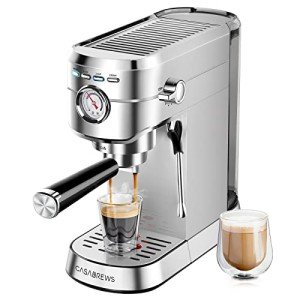
Certain machines have a dual boiler, which lets you make an espresso and steam milk simultaneously. This feature can save you time and effort during the morning rush, particularly when your baristas serve many drinks. This feature will aid in maintaining consistency in your recipe by keeping the brew water at optimal temperature.
Water
Espresso is an intense shot of espresso that's topped with a luxurious crema. Making a good shot requires a bit of practice however, once you've got the knack you can make a range of unique recipes and drinks, from the simple to sophisticated.
Espresso is espresso coffee maker concentrated than regular coffee, which means it is able to withstand the addition of milk or other ingredients without altering the flavor. This makes it ideal for drinks that need creamers and sugars. Try flavoured syrups such as whipped cream, whipped cream or coconut milk for a tropical twist on your morning cup of coffee.
Typically, an espresso machine requires a separate water tank or direct connection to the water supply, depending on the model and the plumbing in your home. They typically use thermocoil technology, which heats the water to the right temperature for brewing in around 45 seconds. Then they shut off automatically. Some models have a "virtual thermometer" which regulates the temperature of water to avoid overheating.
To make espresso it is necessary to pressurize the water in the boiler by an rotary or vibratory pump, before passing through the grouphead before being infused with ground and tamped coffee. An espresso machine that is of good quality has a gauge to let you know when the desired pressure has been attained, which is between 8 and 9.5 bar pressure.
Some models are able to take water directly from your plumbing, which can be handy for homes with low water pressure, but most have tanks that must be filled by hand. They typically have an LCD or control panel that lets you choose from the various beverage settings that include brew size and strength, and adjust other factors like temperature and the amount of grind used in the puck. The top espresso makers offer the option to change the water type to see how different kinds of water affect the taste and quality of your espresso.
Coffee
Espresso machines make use of more pressure to force hot coffee through the grounds. This is different from drip coffee makers that slowly drip hot water into containers. This causes more friction and heat that allows the oils and flavors contained in the beans.
The espresso shot that is produced has a stronger flavor than regular coffee. Many prefer the stronger, bolder taste of espresso to regular coffee. This is also the reason why espresso is often used as the basis for a variety of cafe favorites like cappuccinos, lattes, and flat whites. Espresso can be mixed with other ingredients to make unique drinks and recipes like mocha mousse and espresso caviar or used in marinades and simmering sauces for delicious dishes.
You'll have to select the right beans and grind size to get an excellent espresso. The best espresso is made with dark roasted beans with a balanced flavor and high quality. The beans should be roasted extremely fine to aid in creating a smooth and dense drink.
A good espresso maker should be able to adjust the pressure and temperature of the water according to your preference. It should also have a separate steaming function that allows you to make espresso drinks based on milk. With a steam wand you can create a variety café favorites at home. From classic cappuccinos, macchiatos, and latte art.
Certain espresso and coffee machines combine to offer both coffee and espresso brewing at the touch one button. Other models have special features like temperature control, programmable brewing, and multiple beverage sizes. For instance the programmable espresso maker lets you adjust the strength and duration of brewing to your preference.
Certain coffee makers and espresso makers have a built-in grinder, while some require an external grinder. Those that don't have a grinder will need to grind the coffee before each brew cycle. A built-in grinder can be more convenient and will save you the expense of purchasing a separate appliance.